
What can Composite Bonding do for me ?
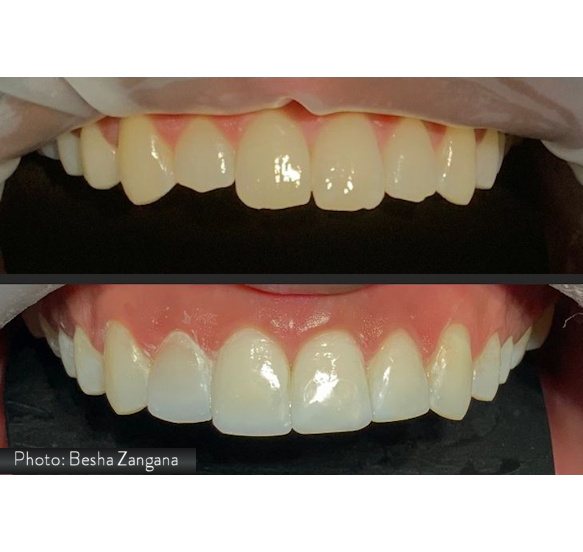
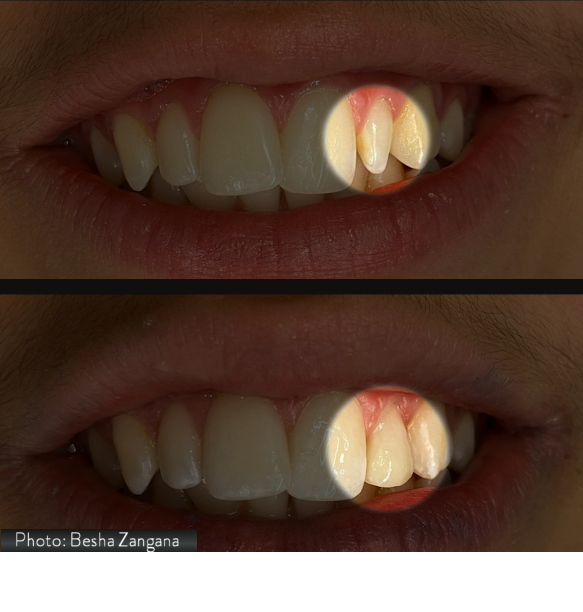
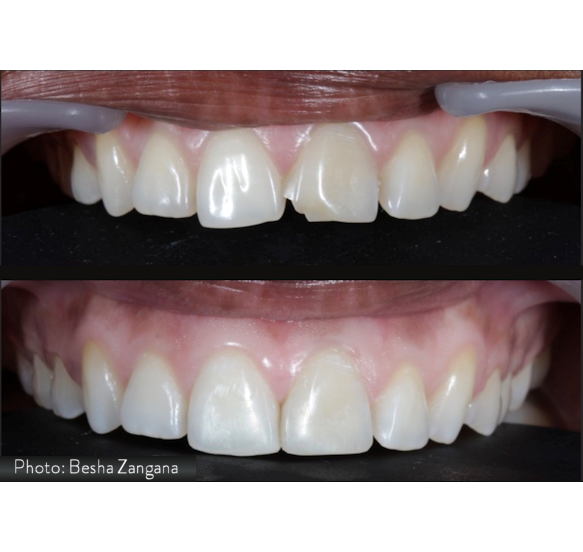
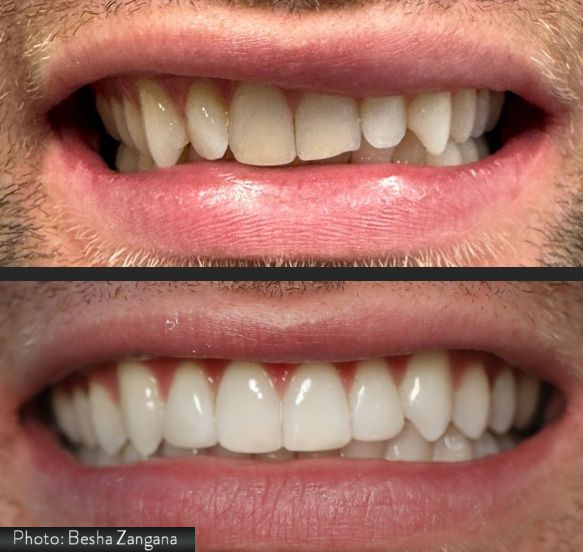
Composite can be used to restore chipped, worn and uneven teeth, making them look like new again.
It can also change the shape of the original tooth, as long as the changes still fit when you bite and chew.
Since the composite can be placed on the outside of the tooth it can be used to mask discolouration too.
From £250 per tooth
How about a trial smile ?
For just £250 you can try out your new smile at Wyndcott

We place temporary material on your teeth using the same design as we would use for real. This way you can see and feel how your teeth will be after treatment.
You can take photos or video of yourself so you can make sure everything is just right before we start. You can even wear your new smile home – it can be removed easily.
Works great with Invisalign
Invisalign is fantastic at getting your teeth into their best positions, but can’t fix chips or worn edges.
Combine aligners with Composite Bonding and stop hiding those imperfections !
Why Wyndcott ?
We have two experienced and friendly cosmetic dentists who can see you during the week or at weekends. Maliha and Besha both offer Invisalign, Composite Bonding, Veneers and Whitening. Using the latest 3D scanning technology and high quality photography they will take the time to understand what you want and present you with a personalised plan including costs.
At Wyndcott we offer no-pressure consultations and always take the conservative approach to treatment. Natural looking results that won’t leave you with problems in a few years time.
Your smile should last a long time – we’ve been looking after patients for over 50 years and we will still be here to maintain your investment.
Frequently Asked Questions
Dental composite is the same material used for tooth-coloured fillings. When finished, it bonds to teeth and can be used for more than just filling cavities. It can often be done without removing much or any of the original tooth material, unlike veneers or crowns, making it less likely to cause sensitivity. It can be used to complement treatment with aligners, which only change the position of teeth, not their shape.
During a consultation, our dentists will discuss your objectives and explain what options you have to reach them. Any risks or aftercare will also be discussed, along with any issues they find that so you are able to decide if this is the right treatment for you.
Trial smiles and permanent changes take 2 weeks for a cosmetic dental lab to make.
The journey from start to finish is:
- Consultation, photos and scan
- 2 weeks later we can give you a Trial smile or go direct to treatment
- If you had a trial smile, just book another appointment to make it permanent
- 2-3 weeks after treatment you have a review for adjustment now you’re used to your new smile
A trial smile is done and removed on the same day. You can have it removed at the practice or wear it home to show your friends and family, then remove it yourself.
How long the final treatment will stay in place depends on where it is used, and what and how you eat. If used to restore chipped teeth on corners or edges, and you like to eat hard or crunchy foods, it will not last as long. How long it will stay the same colour also depends on what you eat and drink, or if you smoke.
Yes. Depending on what problems there were, there may be other ways to address your dissatisfaction with your smile. For example, if teeth were not in the best looking position then aligners or other orthodontic treatment might be used. Ceramic veneers or crowns might also provide a solution to restore broken, damaged or unsightly teeth but these options normally require more tooth material to be removed and come with other risks.
Compared to veneers and crowns, yes. Because the composite is firmly stuck to your teeth, removing it without leaving any marks and without scratching or damaging the original tooth can be difficult depending on where it was placed. If the tooth required some shaping before the composite was applied, then that tooth can not be completely reversed.
Like tooth-coloured fillings, dental composite can be stained and change colour over time. This depends on what you eat and drink, and also if you smoke. Tea, coffee, red wine, and spices like turmeric are all strongly coloured and can gradually discolour composites.
The glossiness or shine of composite gradually fades over time. Your dentist may be able to polish the composite, but eventually the material may need to be replaced.
Composite is not as hard as natural tooth enamel (the shiny outside of a tooth). Over time it can wear, chip or become damaged, and need repair or replacement. Depending on where it is placed, what kinds of food you eat and other habits, this can happen relatively quickly.
Your natural teeth will change colour over time. This is normal, and again depends on what you eat and drink. Composites will also change colour, but not at the same rate. If you wanted a very white smile then you would need to use whitening first, then have the composite bonding done to match. Afterwards you would need to use whitening from time to time to keep your natural teeth the colour you wanted. The composites will also be lightened but may not stay exactly the same.
If you grind or clench your teeth, the composite can wear down, become chipped, or come off completely much sooner than you might be happy with. Your dentist will discuss this with you to see if there is a way to help you and preserve your teeth.